Boating Tips
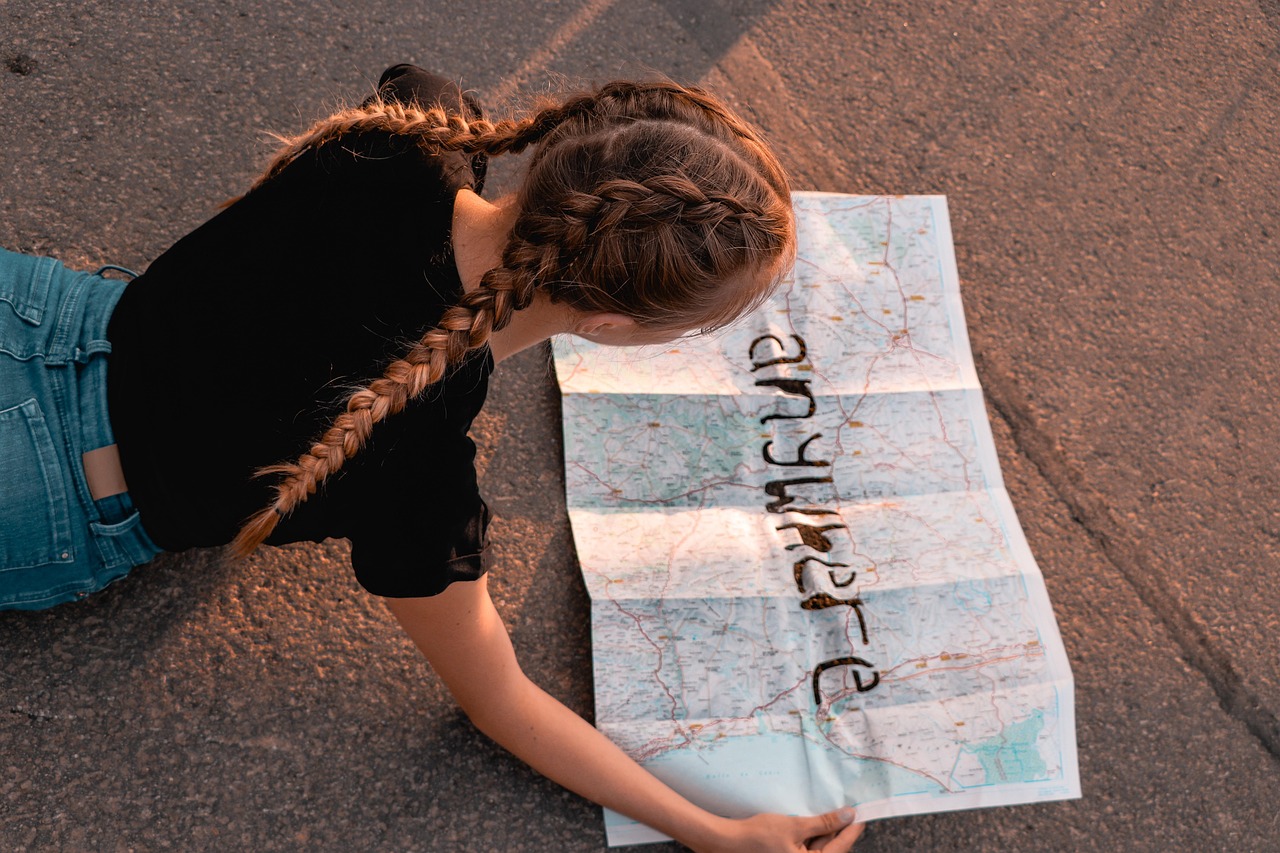
Canal walking looks like the simplest thing in the world. You follow the water. Then you actually try to plan a day of it and discover a set of small, specific questions: which stretch, how far, where do I park, is there a pub, and will I be wading through cow slurry by eleven o'clock? None of these are hard to answer, but they're worth answering before you set off.
The good news is that the canal network is unusually well documented. The Canal and River Trust publishes guides and stoppage notices, Ordnance Survey maps show the towpath and every bridge, and a handful of excellent apps let you trace a route and see what's nearby. Between them, you can plan a walk with almost no guesswork.
The first decision is character. Some canals are rural and quiet, running through fields with barely a village for miles. Others thread through towns and are best walked in short sections with a station at each end. Both are good, but they suit different moods. If you want solitude, look for stretches between two minor bridges with no road access; if you want a sociable day with lunch and a look round a town, pick a length that passes through a place with a decent high street.
Distance is the next thing to get right. Towpath walking is flat, which makes it deceptively tiring if you're not used to it — the same muscles, hour after hour, with no hills to change your gait. Three to five miles is a pleasant morning for most people; eight to ten is a full day. Add time for locks, because a flight of locks is a natural place to stop and watch, and a boat working through is genuinely absorbing.
Check for towpath closures before you go. Resurfacing, lock maintenance and bank repairs all happen on a rolling schedule, and there's nothing worse than a two-mile detour onto a busy road. The Canal and River Trust website lists current works, and local Facebook groups are often quicker with the on-the-ground truth.
Towpath surfaces vary enormously. Some stretches are tarmac, some are compacted gravel, and some are grass that turns to a quagmire after rain. Winter walking on the muddy sections is entirely doable in wellies or proper boots, but don't attempt it in white trainers. In summer, the same stretch can be hard as iron and dusty. A quick look at recent rainfall tells you which you're getting.
Pubs are the other great variable. A canal-side pub is a wonderful thing, but not every one that sits near the water is worth stopping at, and some are a good half-mile up a hill. Look at the map, check the walking distance honestly, and if you're relying on a pub for lunch, ring ahead — rural pubs keep strange hours, and the one you've pinned your hopes on may well be shut on Mondays. A flask and a sandwich are never wasted. Plan the walk, then let the canal do the rest.
