Towpath Walks
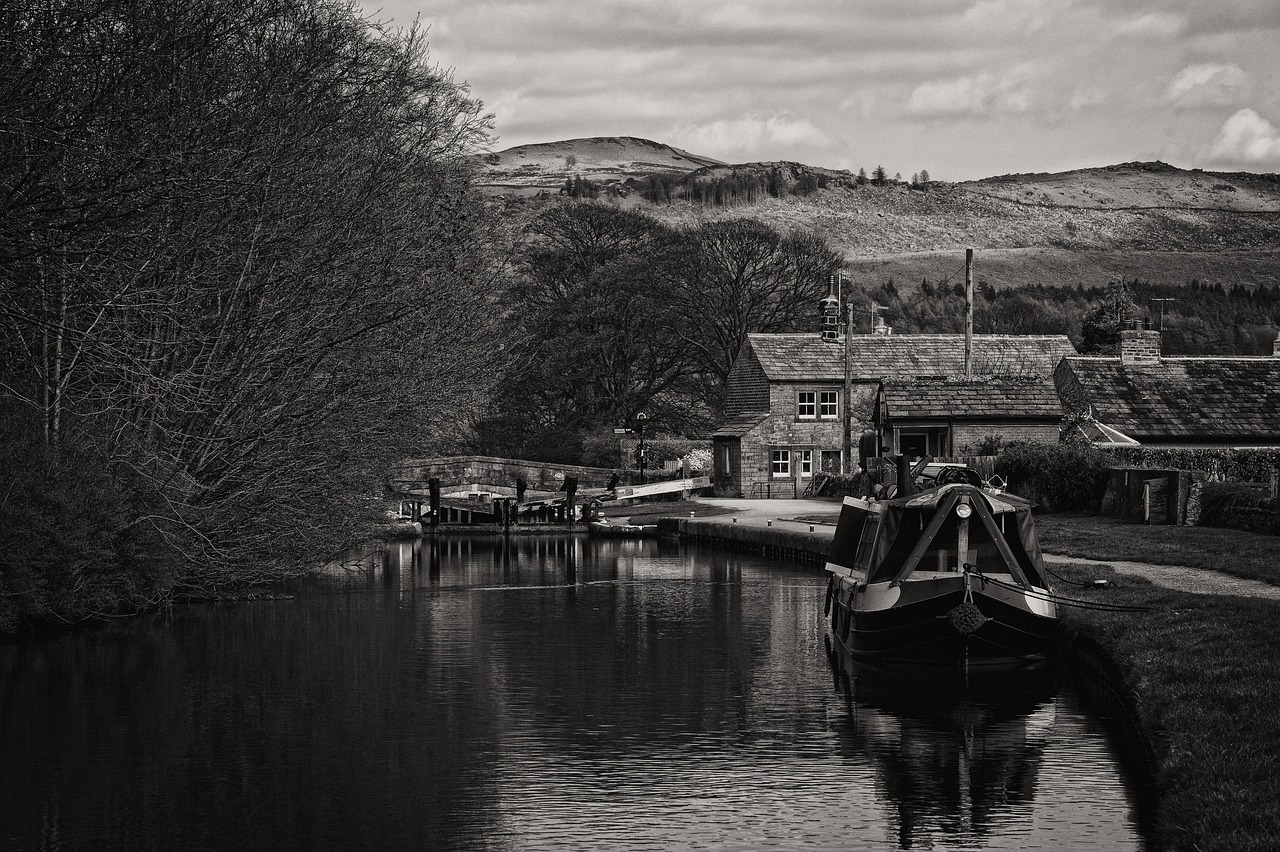
Every summer, the canals fill with hire boats and new owners who have fallen in love with the idea of life afloat. Every winter, the towpaths empty, and those of us who stay aboard discover what the lifestyle really asks of you. It is not a complaint. It is simply the honest version of a life that is wonderful for most of the year and character-building for the rest.
The first thing newcomers notice is condensation. A narrowboat is a steel tube, and warm air inside meets cold steel outside with predictable results. You learn to ventilate even when it feels counterintuitive, to wipe down windows each morning, and to accept that some battles are managed rather than won. A small dehumidifier helps, and so does keeping the stove running steadily rather than blasting it.
Most liveaboards rely on a solid fuel stove as the heart of the boat. It is not instant heat like a radiator at home. You build it, you feed it, you learn which coal or smokeless fuel burns cleanest and longest. Ordering a delivery means arranging a spot on the towpath where a lorry can get close, then barrowing bags along the path. It is hard work, and it makes you appreciate every warm hour.
Diesel heating and central heating systems exist, but they bring their own considerations, from fuel costs to maintenance. Many of us use a mix, keeping the stove for evenings and a diesel heater for quick morning warmth. The trick is not to let the boat get genuinely cold, because bringing a freezing steel shell back to comfort takes hours.
Water is another winter consideration. Standpipes can freeze, and a frozen canal means you cannot move to a new mooring to fill up. The experienced approach is to fill the tank whenever you pass a working point, whether you think you need it or not. Showers get shorter, and you develop a surprising tolerance for lukewarm washing up.
And yet, winter afloat has a beauty that summer cannot match. When the canal freezes, the world goes silent. Frost settles on the ropes and the roof, and the boat becomes a small, warm island. Mornings are dark and slow, with the stove ticking and a kettle on, and there is a deep contentment in that.
The community changes too. The fair-weather boaters are gone, and those who remain look out for each other. You notice when a neighbour's chimney has stopped smoking, you share spare fuel, and you check the lines of a boat whose owner is away. It is the closest thing to a village that many of us have ever lived in.
If you are considering a winter aboard, my advice is simple. Insulate what you can, budget more for fuel than you expect, keep your water tank full, and give yourself permission to slow down. The canal in winter is not a challenge to be endured. It is a different season of the same good life, and it rewards those who meet it on its own terms.
