Canal History
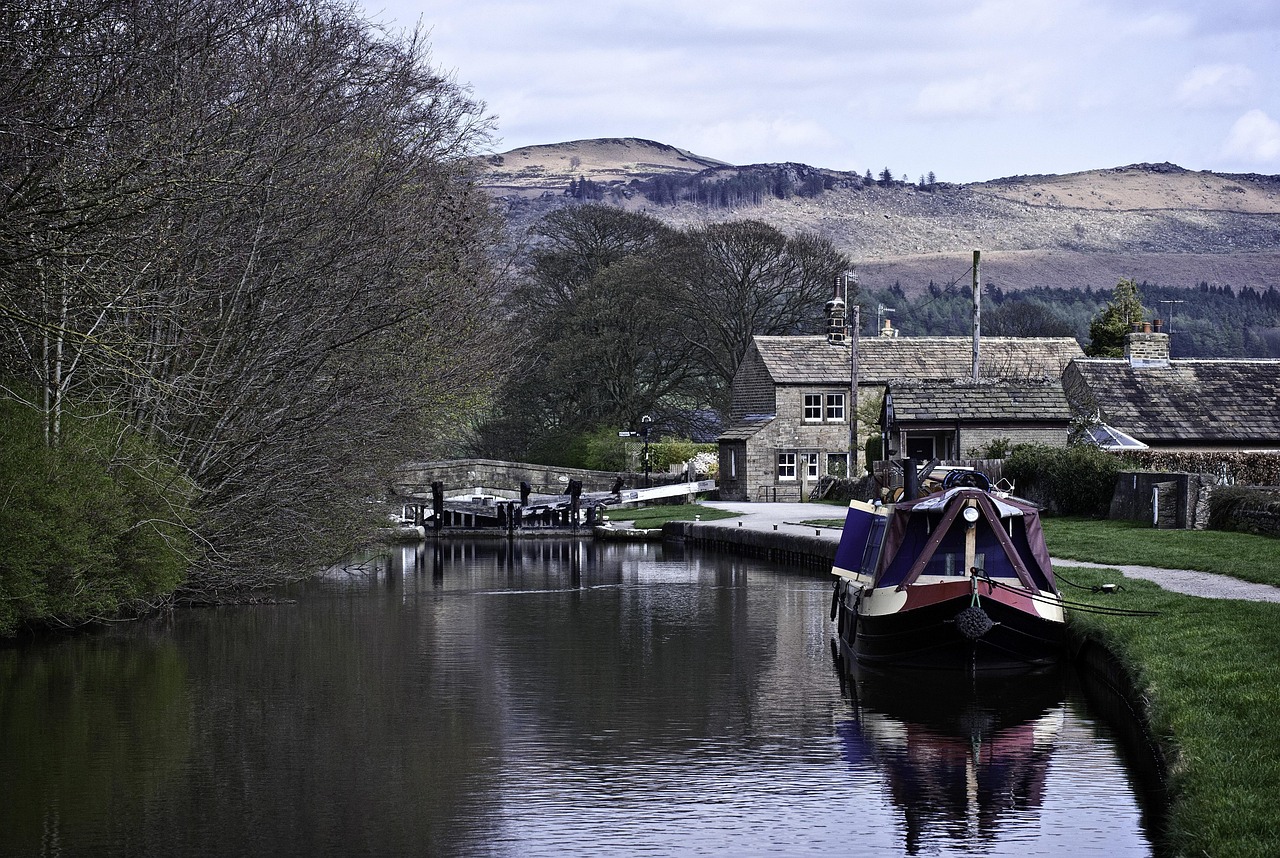
Winter on the canals is a different world. The hire boats are gone, the popular moorings are empty, and the trees along the towpath are reduced to a bare architecture that you never notice in summer. The water is often glassy and still, and on a cold, clear morning the whole cut can look like something out of a painting. But it's also the season that tests a boat and its crew, and the one that separates the romantics from the realists.
The first rule of winter boating is that warmth is not just comfort, it's safety. A cold boat is a damp boat, and a damp boat grows mould, rusts its fittings and makes everyone aboard miserable. Getting the heating right comes before everything else.
Most liveaboard boats run a solid-fuel stove as their main heat source, backed up by a diesel heater or a small electric radiator on shore power. A stove is wonderful — it dries the boat out, gives you somewhere to burn rubbish, and makes the cabin feel genuinely homely — but it needs tending, and it needs fuel stored somewhere dry. A diesel heater is less atmospheric but far more convenient, especially for early mornings when you want heat without getting out of a warm bed to light a fire.
Condensation is the real enemy. Cooking, breathing and washing all put moisture into the air, and in a well-sealed boat it has nowhere to go. It settles on the coldest surfaces — usually the windows, the hull sides and the underside of the roof — and from there it finds its way into bedding, clothing and timber. The remedies are simple but require discipline: ventilate every day, even when it's cold, by opening a window or hatch for a few minutes; use a dehumidifier if you have shore power; wipe down windows and portholes each morning; and never dry washing inside without cracking a window open.
When the canal freezes, you generally stay put. Breaking ice is possible for a steel narrowboat, and some boaters do it, but it's noisy, it scours the blacking off the hull and it can damage the boat if the ice is thick. A few days iced in is a chance to slow down, walk the towpath instead of cruising it, and enjoy the rare sight of the canal utterly still.
The bigger risk is the water supply. Standpipes freeze, and so do the pipes on board if you're not careful. Lag every exposed pipe you can reach, keep the water tank topped up before a cold spell, and know where your nearest working water point is before you need it. If you're on a mooring with a tap, a cheap insulation jacket and a slow drip overnight can save you a frozen morning. And keep an eye on the forecast — a week of hard frost is manageable, but it pays to have a plan for getting off the boat if the towpath turns to sheet ice.
Winter boating isn't for everyone. But for those who stick it out, the canals in the cold months offer something the summer crowds never see: silence, space and a particular kind of beauty that only comes when the water is still and the air is sharp.
